
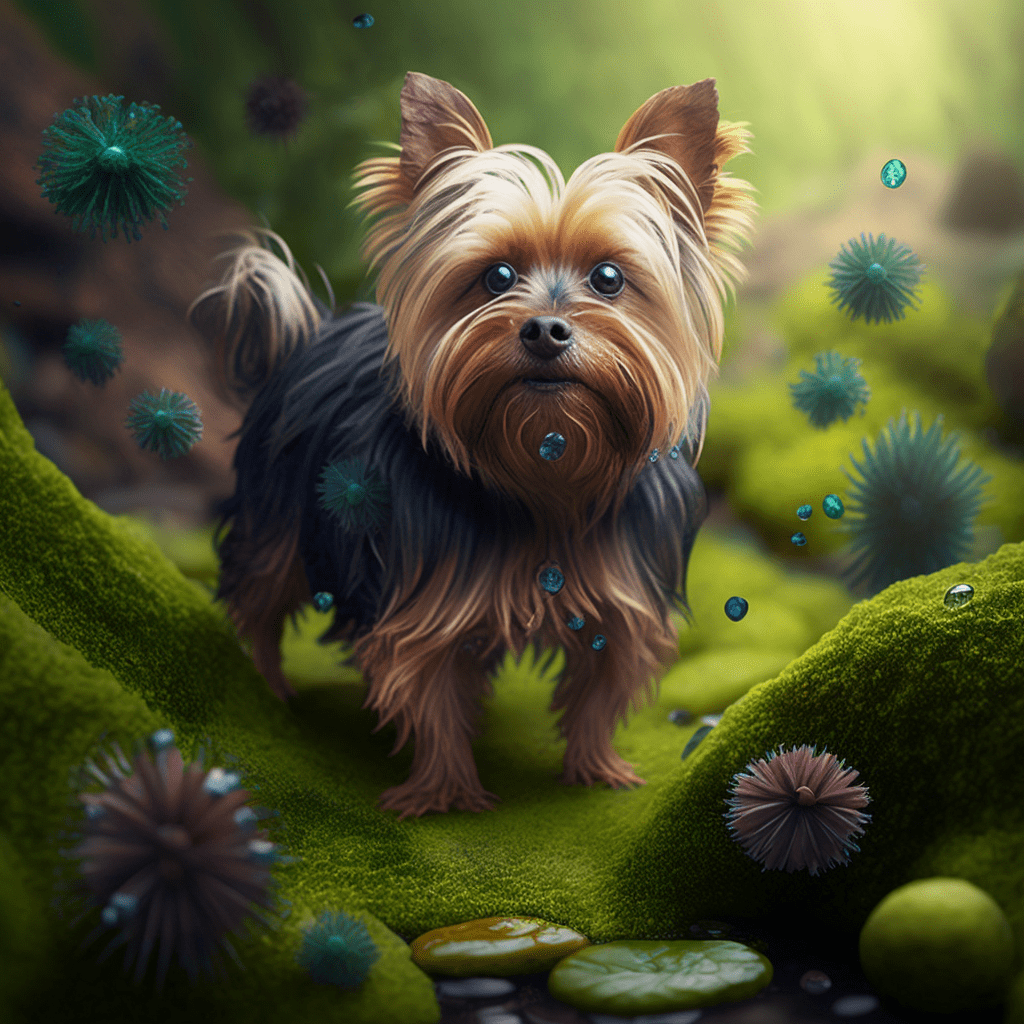
Gut microbiome plays a crucial role in both veterinary and human medicine. This study investigates the gut bacterial microbiomes of Yorkshire terriers with Inflammatory Bowel Disease (IBD). Researchers found significant changes in the microbiome composition of sick dogs compared to healthy controls, and these differences persisted even in dogs that entered remission. Diagnosing canine IBD remains challenging due to the lack of reliable clinical markers.
The gut microbiome profile of the studied dogs was similar to previous studies of other breeds, but recovery from the disrupted microbiome balance (dysbiosis) was slow. Bile acids, essential for fat absorption and lipid regulation, appear to be significant regulators of gut bacteria, and their relationship with gut bacteria suggests a possible mechanism for GI tract malfunction.
Researchers found changes in the abundance of certain bacterial types in dogs with IBD, but even dogs showing clinical improvement still had a disrupted microbiome. This indicates that the microbiome may not necessarily be the cause of IBD but a consequence of the disease. The study faced limitations such as a small cohort and lack of standardization in diets. Future research should focus on understanding the role of the gut microbiome in the pathogenesis of canine IBD and its long-term consequences.

 GIbiome